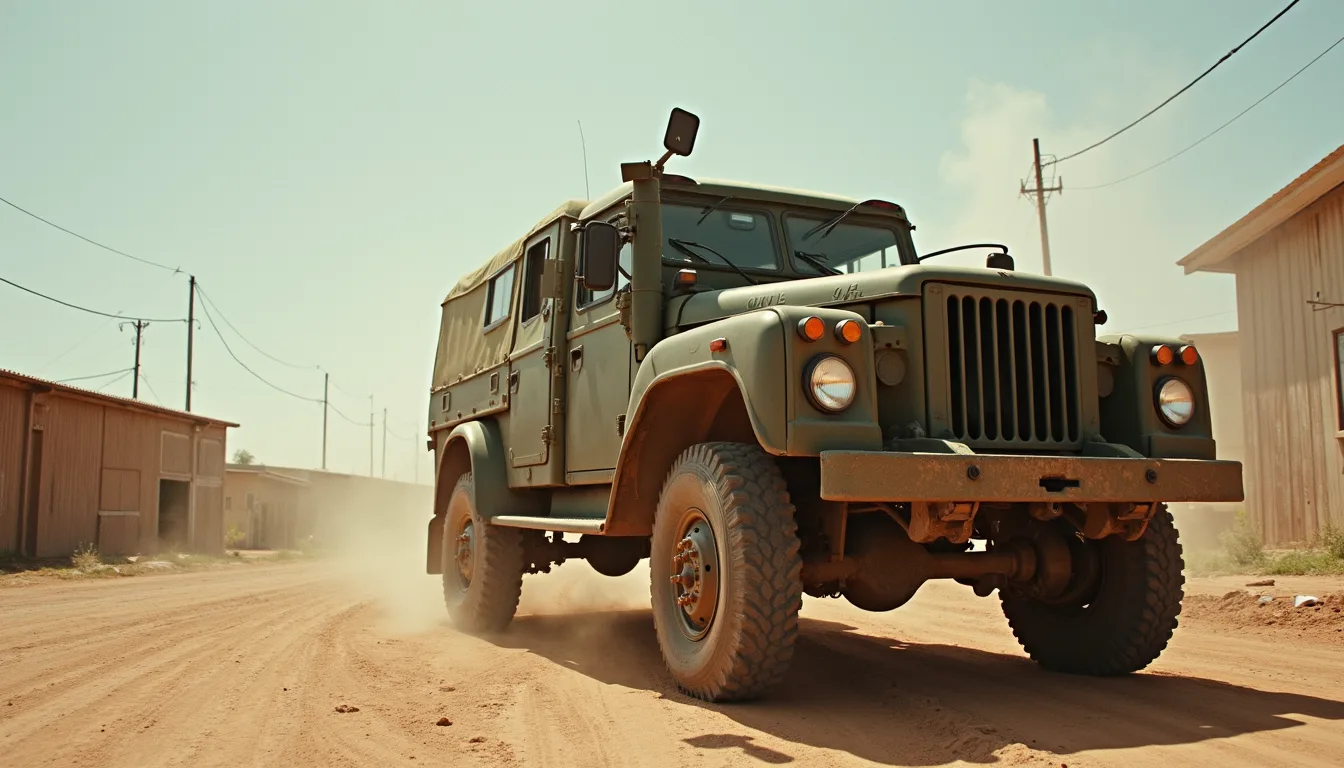
Imagine the shock when I discovered that the South African National Defence Force (SANDF) ranks among the poorest departments in South Africa. This is not just a matter of budget constraints or minor mismanagement. At some point, the SANDF reportedly lacked basic necessities like boots for its personnel. Even more alarming, they struggled to maintain vehicles due to a shortage of diesel, petrol, and spare parts. There were fears that the force could run out of guns. This paints a grim picture of a military force that should be well-equipped to protect the nation but is instead crippled by neglect and corruption.
The situation worsens when you consider the corruption allegations involving high-ranking officials, including former Minister of Defence Nosiviwe Mapisa-Nqakula. The revelations brought to light during her corruption trial expose a system riddled with bribery and misuse of public funds. This article dives deep into the SANDF’s operational struggles and the corruption scandal shaking the foundation of South Africa’s defence force.
The Dire State of SANDF’s Resources
The SANDF’s resource shortages are not rumors or exaggerations. Reports confirm that at various points, soldiers did not have boots to wear. This basic equipment failure is a glaring sign of deeper systemic issues. Without proper footwear, soldiers cannot perform their duties effectively or safely.
Vehicles, which are crucial for mobility and operations, are reportedly so old that spare parts are unavailable. This means many vehicles remain grounded, unable to serve their purpose. The lack of diesel and petrol further compounds this problem, leaving the SANDF unable to deploy its limited fleet.
The possibility of running out of guns is even more disturbing. A military force without weapons is not a force at all. These shortages suggest a failure in procurement, supply chain management, and possibly deliberate misappropriation of funds.
Corruption Allegations Against Former Minister Nosiviwe Mapisa-Nqakula
The corruption trial of Nosiviwe Mapisa-Nqakula, former Minister of Defence and Speaker of Parliament, has exposed a web of bribery and money laundering within the SANDF. The key witness, Nombasa Ntsondwa-Ndhlovu, revealed how she paid bribes to Mapisa-Nqakula after securing a R79 million tender to provide logistics services to the defence force.
Ntsondwa-Ndhlovu, who was the sole director of Umkhombe Marine Pty Ltd at the time, described how large sums of cash were handed over to the former minister. The payments were often disguised using coded language such as “padkos,” “wig,” and the African name for African sage. Some money was even wrapped as gifts to avoid suspicion.
Mapisa-Nqakula faces 12 counts of corruption and money laundering. The charges focus on her alleged receipt of R4.5 million from the service provider, with R2.1 million reportedly received in cash. Despite these serious allegations, she pleaded not guilty and insists the prosecution must prove its case.
How Corruption Impacts SANDF’s Operational Capacity
Corruption in defence procurement and logistics has a direct and devastating impact on SANDF’s ability to function. When tenders are awarded based on bribes rather than merit, the quality of goods and services suffers. This leads to shortages of essential equipment and poor maintenance of existing assets.
Funds meant for operational needs are siphoned off, leaving the force under-equipped and vulnerable. Soldiers face the consequences on the ground, lacking the tools they need to perform their duties. This not only endangers their lives but also compromises national security.
The Role of Whistleblowers and the Justice System
Nombasa Ntsondwa-Ndhlovu’s testimony is a rare glimpse into the corrupt dealings within SANDF. As the state’s star witness, she received indemnity to expose the truth. Her courage in coming forward highlights the importance of whistleblowers in fighting corruption.
The Gauteng High Court in Pretoria is now tasked with untangling the complex web of bribery and money laundering. The trial, which resumed after a two-year delay, is a critical test of South Africa’s commitment to holding powerful figures accountable.
What Needs to Change in SANDF
The SANDF’s challenges are not just about money. They reflect deeper issues of governance, accountability, and transparency. To restore the force’s integrity and effectiveness, several steps are essential:
- Improve oversight of procurement processes to prevent corrupt tender awards.
- Ensure transparency in defence contracts and spending.
- Strengthen supply chain management to avoid shortages of equipment and fuel.
- Protect whistleblowers who expose wrongdoing.
- Hold officials accountable regardless of rank or political connections.
Without these changes, the SANDF risks further decline and loss of public trust.
The story of SANDF’s struggles and corruption is a stark reminder that a nation’s defence depends not only on soldiers but also on honest leadership and sound management. The allegations against Nosiviwe Mapisa-Nqakula and the resource shortages reveal a system in crisis. South Africa must demand better from those entrusted with its security.
The fight against corruption in the SANDF is far from over. Citizens and officials alike must push for reforms that ensure the defence force is equipped, respected, and free from corruption. Only then can the SANDF fulfill its vital role in protecting the nation.