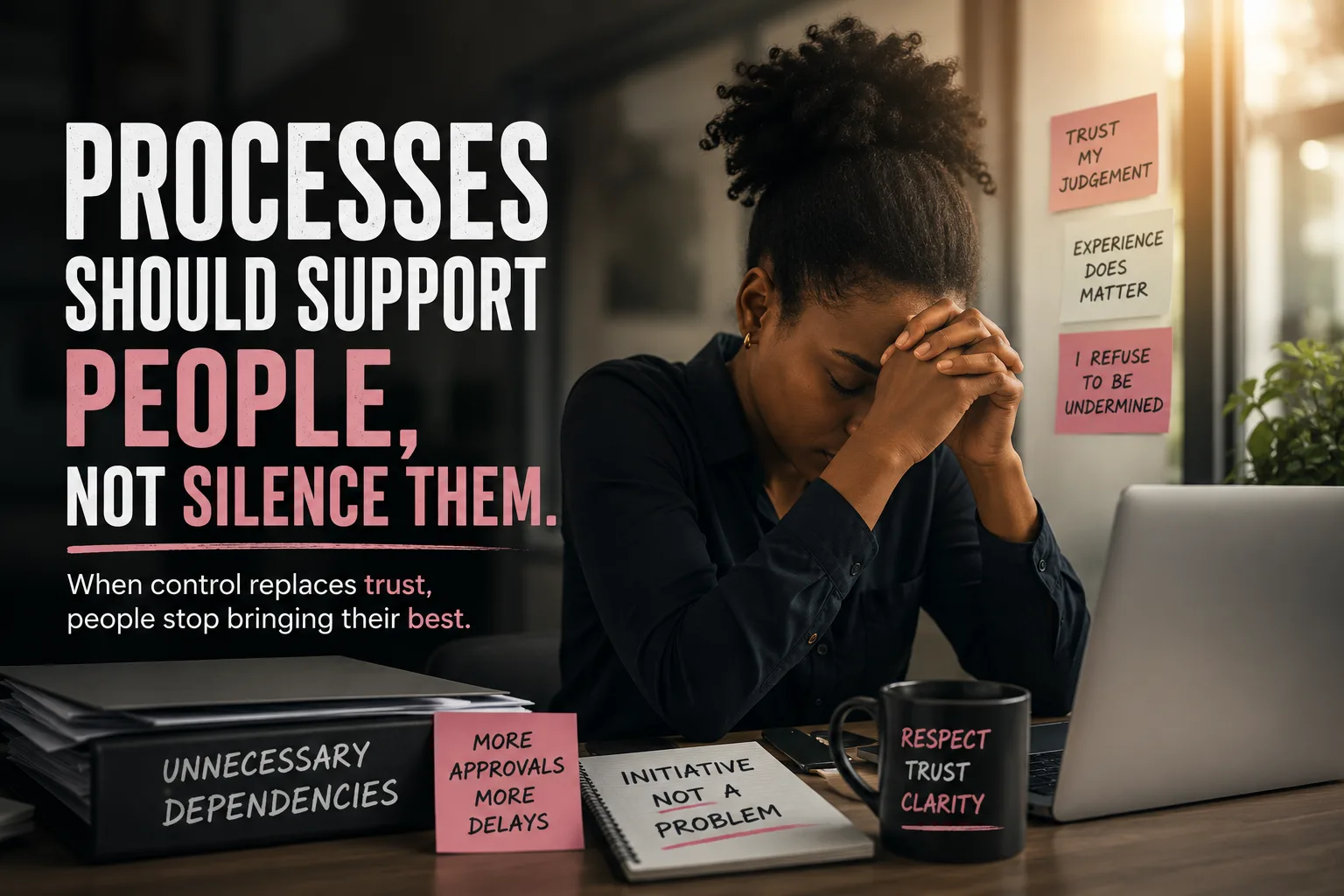
We have all had those moments where the pressure gets too much, the frustration boils over, and you just break down and cry. It happened to me today.
The reason was not a failure to plan. It was actually the exact opposite. It was a highly time-sensitive project that required working in the early hours of the morning to make sure everything was ready by dawn.
Because timing is everything for this kind of work, the pressure is always high. As often happens with complex systems, a critical tool broke down in the middle of the night.
When things break during an urgent situation, there is no time to waste. The standard process is simple. You log the issue, post it in the shared group chat to alert the support team, and briefly explain what is wrong so they can fix it. I have worked with this team for years, and I followed the process perfectly.
The Sudden Change
Five minutes later, I received a private message on the side.
The message told me that I should no longer contact the support team directly. Instead, they recommended that I escalate the problem to my senior managers first so they could handle it.
Imagine needing that level of permission just to do your basic job. Adding another layer of approval before we can even ask for help only causes unnecessary delays. The group chat was created for a reason, which was to get urgent help while keeping management informed. Introducing a bottleneck like this makes it almost impossible to hit our deadlines.
When I asked why this sudden change was happening, the answer was eye-opening. Apparently, a previous issue had caused some confusion because the exact cause of the problem was not obvious the moment I raised the alarm. They felt I should have gone to management first.
But here is the reality. An investigation would have been needed no matter what approach we took. Passing a technical problem through management would not have solved it any faster. It would have just caused longer delays, and it turns out my initial instinct about the problem was completely right anyway.
Standing Your Ground
It is a bad workplace habit to mistake a lack of immediate answers for a broken process. Just because a problem requires a team to look a little deeper than usual does not mean the way we raised the issue was wrong. It definitely does not justify changing the rules on a whim without a proper discussion.
We are adults. We were hired for our skills and our ability to handle high-pressure situations. Being told to step back and wait for a manager to handle a routine issue does not just slow down the business, it actively undermines your confidence.
I refuse to be bullied by sudden, arbitrary gatekeeping. Dealing with early-morning system failures is stressful enough without having to fight internal politics just to get things fixed.
Rules should exist to empower teams to solve problems quickly, not to protect people from doing the work of fixing them. Moving forward, I am standing my ground. Speed and respect must come first.